Silgan’s Trivium Deal Turns Packaging Scale Into a Leverage Test
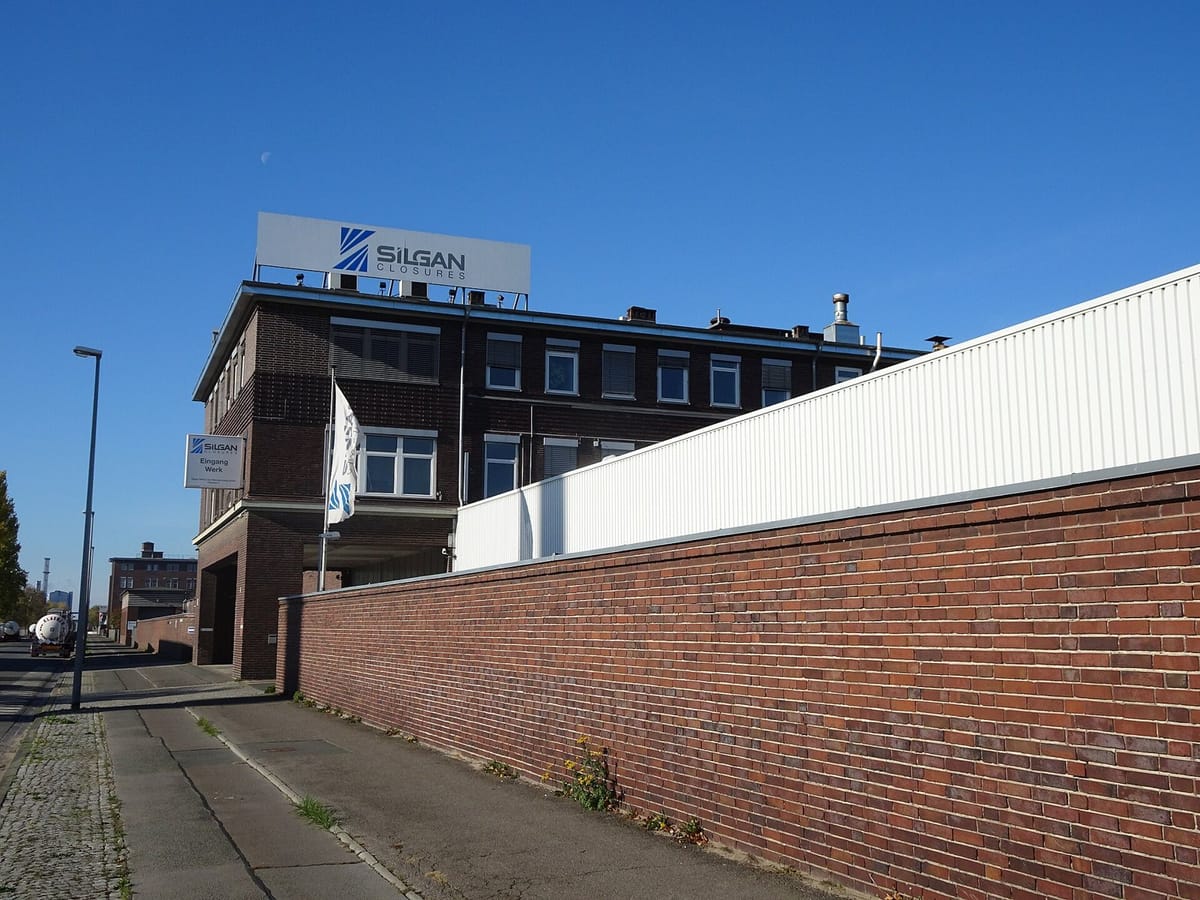
Silgan Holdings is using an unusually structured acquisition to get larger in metal packaging while freeing its faster-growing dispensing business from some of the balance-sheet burden. The company and funds affiliated with American Industrial Partners agreed on Monday to acquire Trivium Packaging at a $3.4 billion enterprise value, combining it with Silgan’s metal containers and food-and-beverage flat-cap closures operations in a new business called Silgan Metal Containers and Closures.
The arrangement is more than a conventional takeover. Silgan will contribute its metal businesses at an enterprise value of $3.8 billion, while American Industrial Partners will invest about $1 billion in cash. Silgan will receive approximately $2.3 billion of cash proceeds and own 60% of the new company, with the private-equity funds holding 40%. Silgan will retain board control and consolidate the venture in its financial statements.
That structure separates two investment stories that have increasingly different requirements. The combined metal-packaging operation will have roughly $7.3 billion of trailing 12-month sales, more than 100 plants and over 12,000 employees. Silgan’s remaining dispensing and custom-container businesses will become Silgan Dispensing Solutions, a wholly owned platform focused on products such as pumps and specialty closures for beauty, health care, food and household markets.
The strategic appeal is straightforward. Silgan has a strong position in North American food cans, while Trivium brings a larger European presence and adds exposure to aerosols and aluminum beverage bottles. The broader manufacturing footprint could reduce transport costs and improve service for global customers. It also gives Silgan more room to pursue savings in procurement, plant operations and overhead without assuming that weak packaging demand will suddenly rebound.
Management expects $225 million of annual synergies by the end of the third year, including about $75 million in year one and $150 million in year two. It says the deal should add at least 15% to adjusted earnings per share and free cash flow once the full savings are included. Investors responded positively: Silgan shares were up about 9% in Monday afternoon trading, according to Reuters, after having fallen roughly 6% for the year through Friday.
The financial engineering, however, does not eliminate risk. Silgan MCC is expected to begin with $4.6 billion of net debt and leverage of 4.0 times adjusted EBITDA, a measure that already includes the full $225 million synergy target. The transaction’s sources include $4.9 billion of new debt, alongside the AIP equity and Silgan’s rolled ownership. That makes the pace and cost of integration central to the investment case. Savings that arrive late, or cost more to achieve, would leave a mature business carrying heavier leverage for longer.
The comparison between the two businesses helps explain the design. Silgan estimates pro forma leverage of 1.8 times for Dispensing Solutions, giving the wholly owned company more flexibility to invest or make targeted acquisitions. The metal venture, by contrast, is being financed as a cash-generative consolidation platform. Silgan is effectively exchanging 40% of its existing metal operations for immediate proceeds, a larger global footprint and shared execution risk.
The transaction also creates a possible second act. Silgan says the partnership provides a path toward a future tax-free distribution that could leave shareholders with separate metal-packaging and dispensing companies. That outcome is not automatic and no separation date has been set. First, the companies must win regulatory approvals, complete applicable works-council consultations and close the acquisition, which is expected in mid-2027. Trivium and Silgan will remain independent until then.
For Trivium’s current owners, the agreement offers an exit from a business that generated about $3 billion of revenue in 2025. Ardagh Group, which owns roughly 42%, expects about $90 million of net cash proceeds and says it may use the money for reinvestment or debt reduction. Ontario Teachers’ Pension Plan holds the majority stake.
The market’s initial enthusiasm reflects a credible industrial logic, but the harder work begins after closing. Silgan must prove that the new company can capture savings across a network spanning North America and Europe while servicing substantial debt, and that the lower-leveraged dispensing business can convert greater freedom into faster growth. The deal creates two clearer platforms. It also gives investors two distinct scorecards, with synergy delivery and capital allocation replacing acquisition ambition as the decisive measures.