House Blocks Hegseth Impeachment After Midterm Losses
The House voted 211-204 to send the impeachment articles against Defense Secretary Pete Hegseth to committee, all but ending the effort in this Congress. Democrats promise investigations when they take the majority in January.
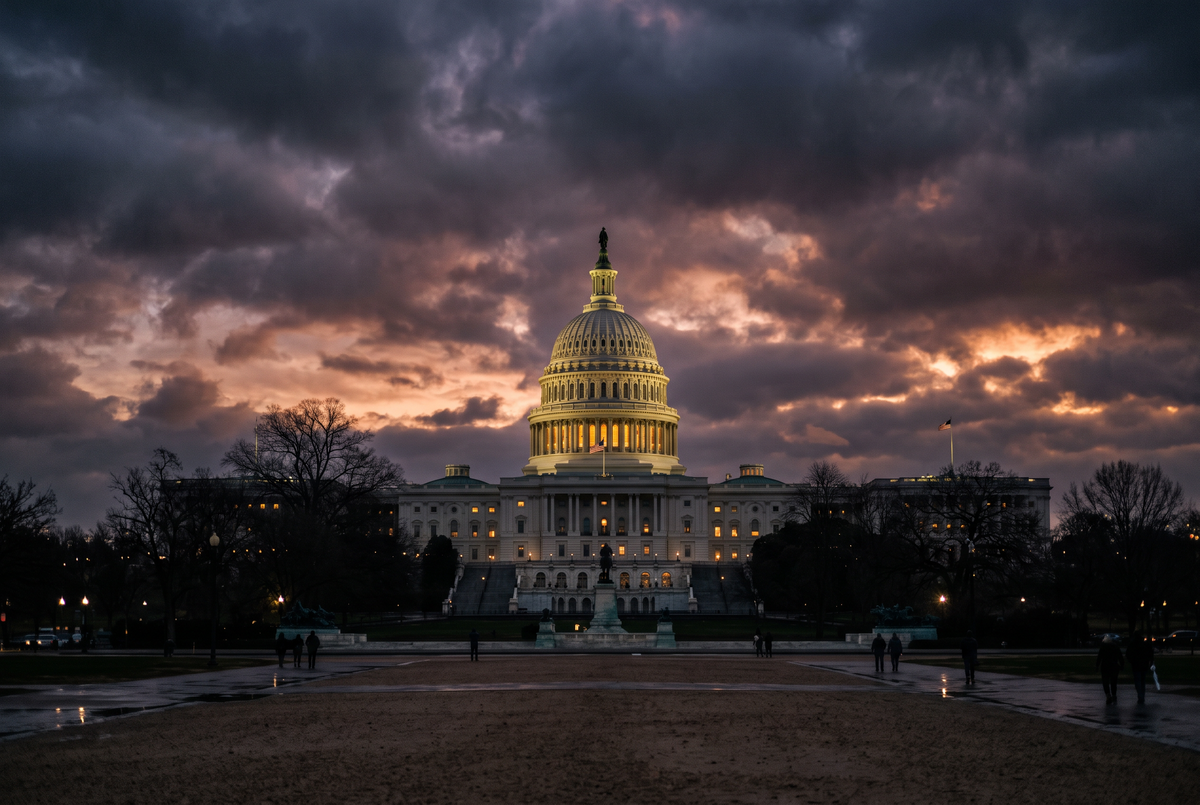
The House voted 211 to 204 on Tuesday, at 6:02 p.m., to refer a resolution impeaching Defense Secretary Pete Hegseth to committee, a procedural move that effectively ends the effort in the current Congress. Republicans held together almost entirely: 210 of the chamber's Republicans voted to kill the floor fight, while the resolution's own author, Rep. Thomas Massie of Kentucky, cast the lone Republican vote against the referral.
The tally carried one anomaly. Rep. Kevin Kiley of California, listed on the vote record as an Independent, was the only Independent backing the referral, joining the Republican majority. Democrats voted 203 to 0 against it, leaving the articles with no path to the floor.
A second try, and the same ending
Massie's resolution, H. Res. 1655, charged Hegseth with high crimes and misdemeanors. Reintroducing the articles on Monday, Massie accused the secretary of wrongdoing in connection with the war with Iran and U.S. strikes against Iran, strikes on alleged drug boats in the Caribbean Sea and Eastern Pacific Ocean, the capture of Venezuelan President Nicolas Maduro without congressional authorization, and the effort to punish Sen. Mark Kelly of Arizona for a video telling service members they can refuse illegal orders.
It was Massie's second attempt to force the vote. He first sought to bring the resolution to the floor before the midterm elections, a move that prompted Speaker Mike Johnson to call an early recess to avoid the vote. That recess ran the resolution's clock out, and Tuesday's referral short-circuits any floor vote, virtually guaranteeing the measure will not be taken up before the current session of Congress expires.
The White House line: never in 250 years
The administration framed the stakes in constitutional terms. In a Statement of Administration Policy issued Tuesday, the Office of Management and Budget said it "strongly opposes" the resolution and called it "a rogue, politically motivated effort to undermine our warfighters, our nation's Constitution, and our national security." The statement added that "in 250 years of American history, no Secretary of War or Secretary of Defense has ever been impeached for conducting military operations," warned against allowing "a rogue legislator to veto national security decisions made by the Commander-in-Chief," and urged members to vote yes on the Motion to Refer.
A separate White House release the same day argued Hegseth "made clear that every operation targeted in the eight articles was lawful, ordered by the Commander-in-Chief, properly notified to Congress, and carried out by warriors who delivered decisive results," naming Iran, the cartels, Maduro, and Yemen. The remedy for policy disagreements, the release said, "is legislation. It's debate. It's the next Presidential election."
The secretary defended himself at a rare Pentagon press conference on Tuesday, calling Massie "a disgruntled and defeated congressman" and saying "I stand behind every one of these operations... I was proud to execute them, and I would do it again tomorrow." Trump, for his part, said Monday "I'll stand by him. He won two wars. He was in charge. We all won."
Midterm fallout hangs over the vote
The vote landed at a delicate moment for the president's party. The Associated Press reported that it came as Republicans grapple with the fallout from sweeping midterm losses that some in the party have blamed on the war in Iran and the resulting surge in gas prices. The near-unanimous Republican defense of the war's chief architect came in that context: a party closing ranks over a conflict whose political costs it has already paid at the ballot box.
That reckoning is not over. Democrats have promised vigorous investigations into Hegseth's Pentagon once they assume the House majority in January, and Rep. Hakeem Jeffries, expected to be the next Speaker, said of the secretary, "He's got to go." The referral bought Hegseth the remainder of this Congress, but it does nothing to change the composition of the one that follows.
Oil markets offered their own read on where the war stands. Brent crude has fallen about 21% since the start of November on hopes of an end to the war, trading near $93 after hitting two-month lows, though 37 ships were attacked in the Strait of Hormuz in October, the highest monthly total since the war began, according to data cited by CNBC. The truce hopes pulling prices down sit alongside shipping risks holding them up, much like the impeachment fight itself: the war's costs are being counted, but no one has settled who pays for them politically.