Oil Slides 3% as Iran Talks Chip Away at the War Premium
Brent fell 3.2% to $109.75 as Iran and Qatar held a third day of talks. The selloff tests whether oil's war premium can unwind before Tuesday's US midterms.
Brent crude fell $3.68, or 3.2%, to $109.75 a barrel by 0407 GMT on Monday. US West Texas Intermediate crude fell $3.43, or 3.3%, to $100.69 a barrel.
The drop landed one session after Brent ended October at its highest in six months, amid concerns that the US-Iran conflict could escalate again after Tuesday's US midterm elections. Iranian and Qatari officials held a third straight day of talks aimed at a deal to end the war, and crude sold the chance that those talks could take some of the war premium out of the barrel.
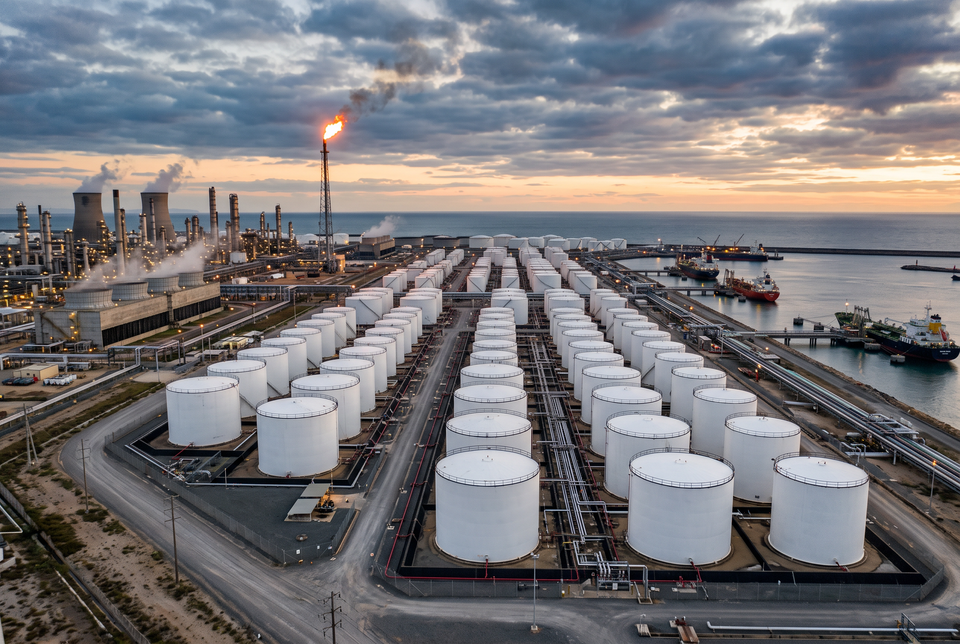
Prices had been supported by tanker risk and the chance of a wider fight. They are now giving some of that back on diplomacy, even as the same calendar that lifted October, the US midterms, still sits one day away.
Talks that are progressing, and a preference for diplomacy
Iranian Foreign Minister Abbas Araqchi said the talks were "ongoing and progressing," and that Tehran was prepared for "both defence and diplomacy." The phrasing left both doors open. It also gave a market that had been bracing for more force a live channel, hosted by Qatar, that has now run for three straight days.
In Washington, US Secretary of State Marco Rubio said President Trump prefers not to use military force and would like to resolve the conflict diplomatically. That comment does not close off other options. It does align the public US line with the Qatari track in a way crude traders could trade on Monday morning.
The selloff is still a bet, not a settlement. A third day of talks is not a ceasefire, and Araqchi's pairing of defence with diplomacy is a reminder that Tehran is not describing the track as the only path. Preferring not to use force is not the same as ruling it out after the vote.
Hormuz risk, a held OPEC+ quota, and more Saudi barrels
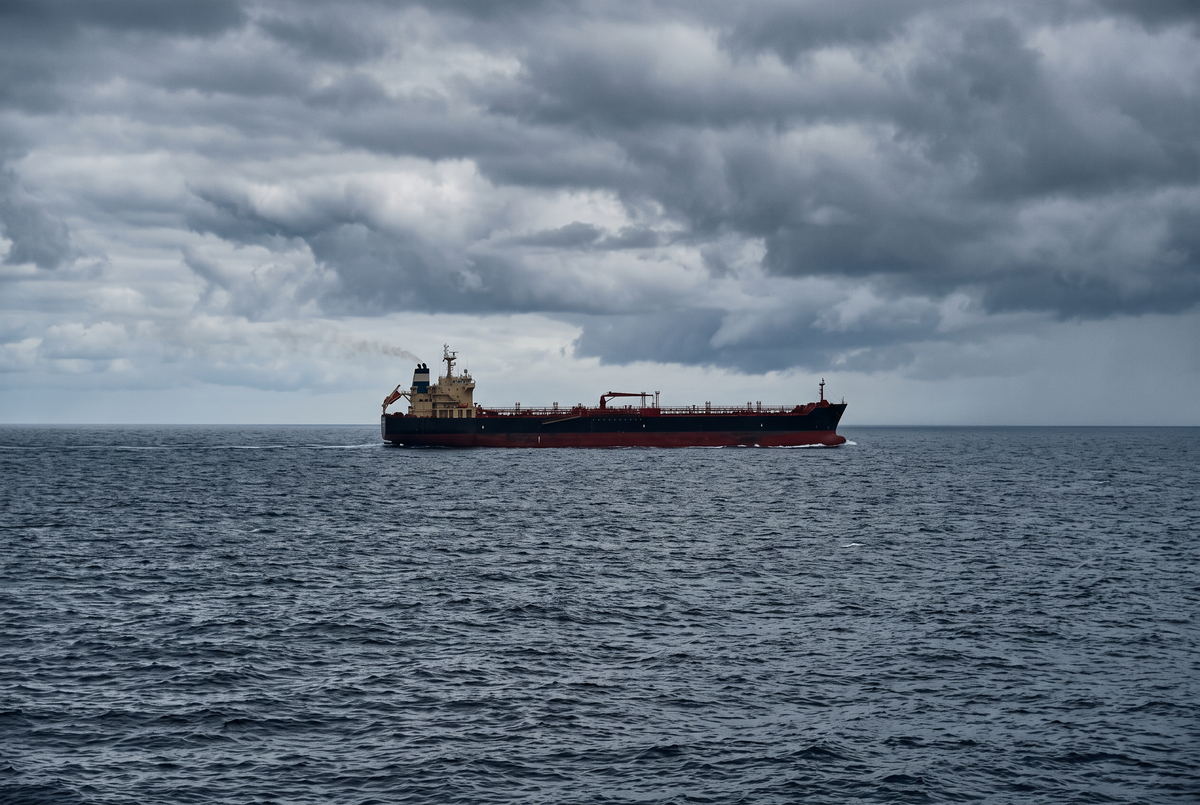
The physical market oil is falling through is still distorted. Attacks on oil tankers transiting the Strait of Hormuz are driving up global energy and shipping costs. A diplomatic deal would matter for prices in part because it could eventually ease that chokepoint. Until then, the strait remains a live cost.
Supply policy is not adding a fresh squeeze on top of that. The seven core OPEC+ countries, Saudi Arabia, Russia, Iraq, Kuwait, Kazakhstan, Algeria and Oman, decided on 1 November to maintain September 2026 required production for December 2026. The group is holding the line, not cutting into the war premium and not raising official output into it either.
Saudi Arabia increased crude exports in October versus September. That extra flow does not resolve Hormuz risk, but it does mean Riyadh was moving more barrels even as Brent was closing the month at a six-month high. Monday's dip is easier to read against that backdrop: official quotas are steady, Saudi exports were already up, and the new information is political, not a sudden physical shortage.
A technical pullback, with $120 still on the table
Tim Waterer, chief market analyst at KCM Trade, called the move "a technical pullback" and cited "lingering hopes of some form of diplomatic progress, combined with the absence of any meaningful military escalation over the weekend." The weekend did not deliver a new strike that traders had to reprice at the open. It delivered more talks, and prices faded.
Waterer also said rhetoric around Iran could be ratcheted higher and push Brent toward $120 after the midterm elections. A 3.2% drop to $109.75 still leaves a well-flagged upside marker if the diplomatic track stalls once the US vote is counted.
ING analysts said the market is "increasingly bracing for the potential for more hostilities between the US and Iran," and that "if the midterms pass with neither strikes nor a deal, the key question is whether the market continues to price in a substantial geopolitical risk premium or whether that premium gradually begins to unwind." Diplomacy pulled some premium out before the election. The election can put it back.
Oil is trading a sequence, not a destination. Qatar's channel, Araqchi's claim of progress, and Rubio's diplomatic preference were enough to knock more than $3 off Brent and WTI. Tanker attacks in the Strait of Hormuz, a held OPEC+ quota, and the risk that rhetoric rises after Tuesday are enough to keep a high floor under the complex. The reversal is real. So is the chance that it is only a pause until the midterms decide whether the off-ramp holds or the war premium is bid again.